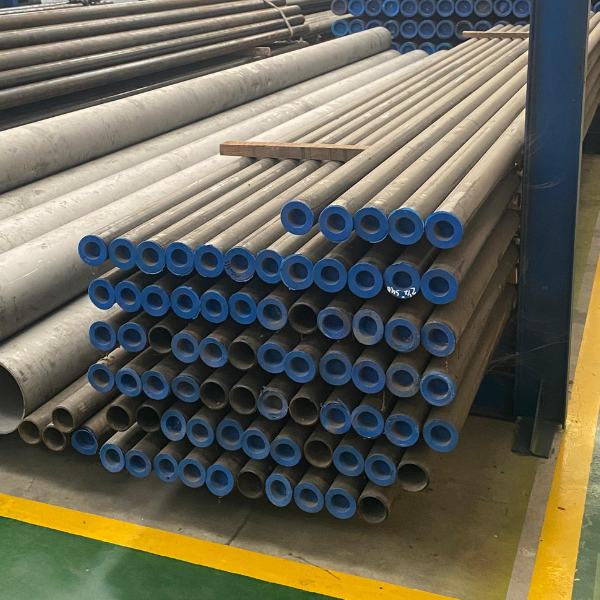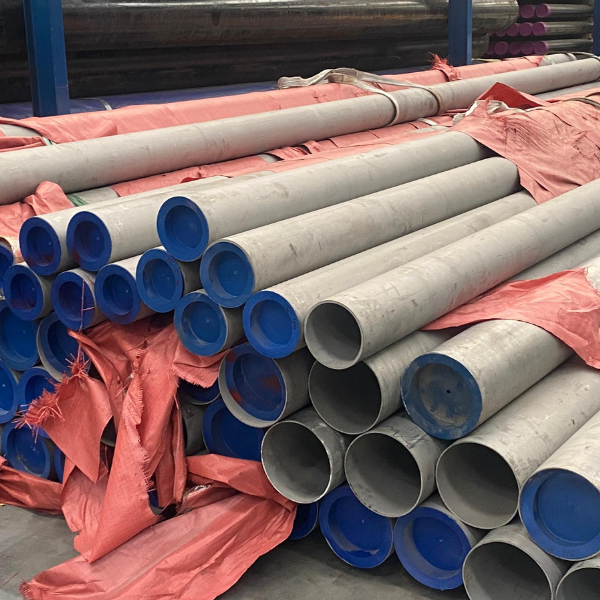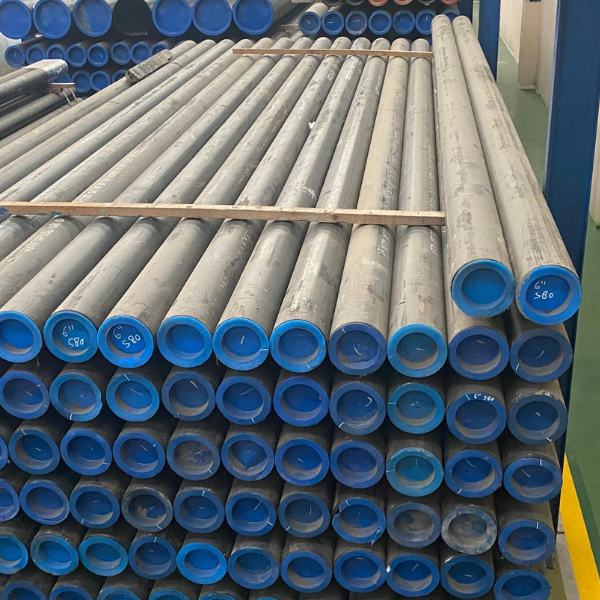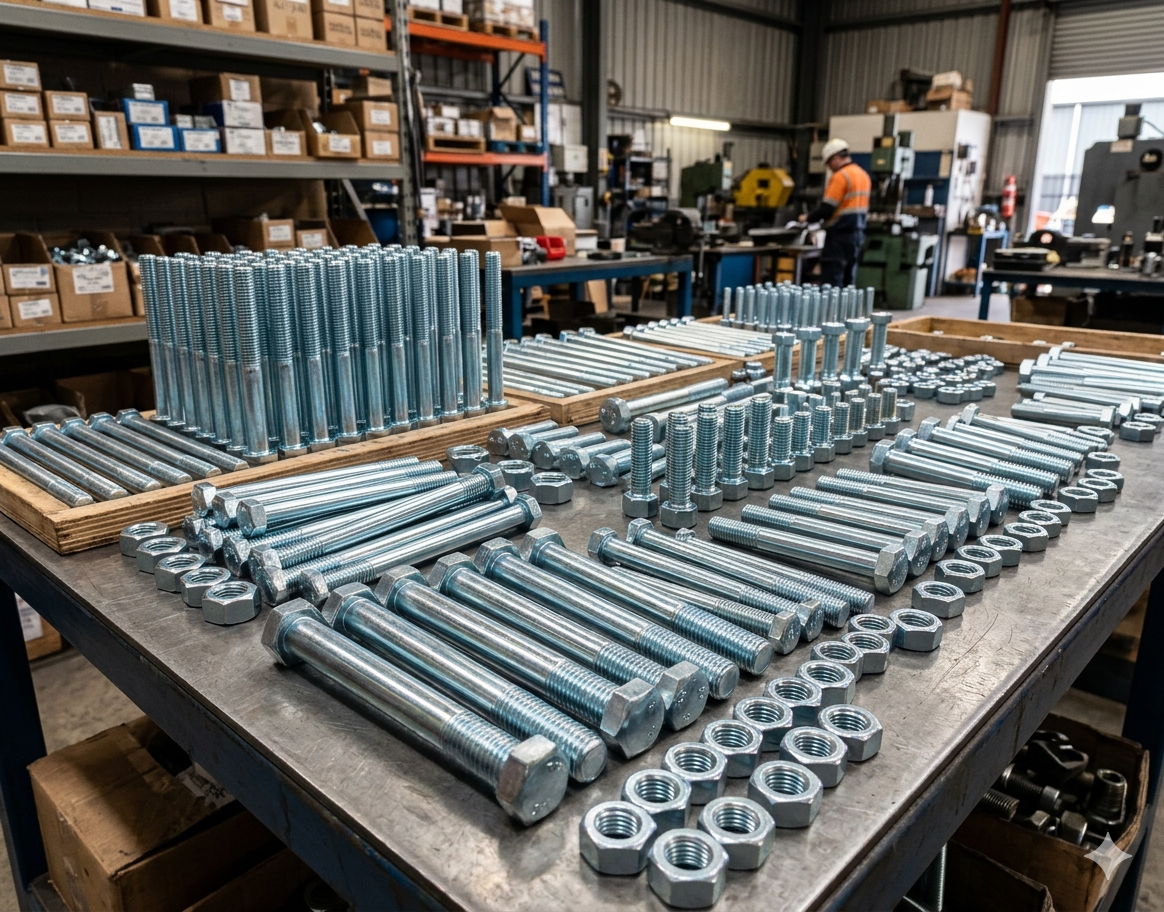
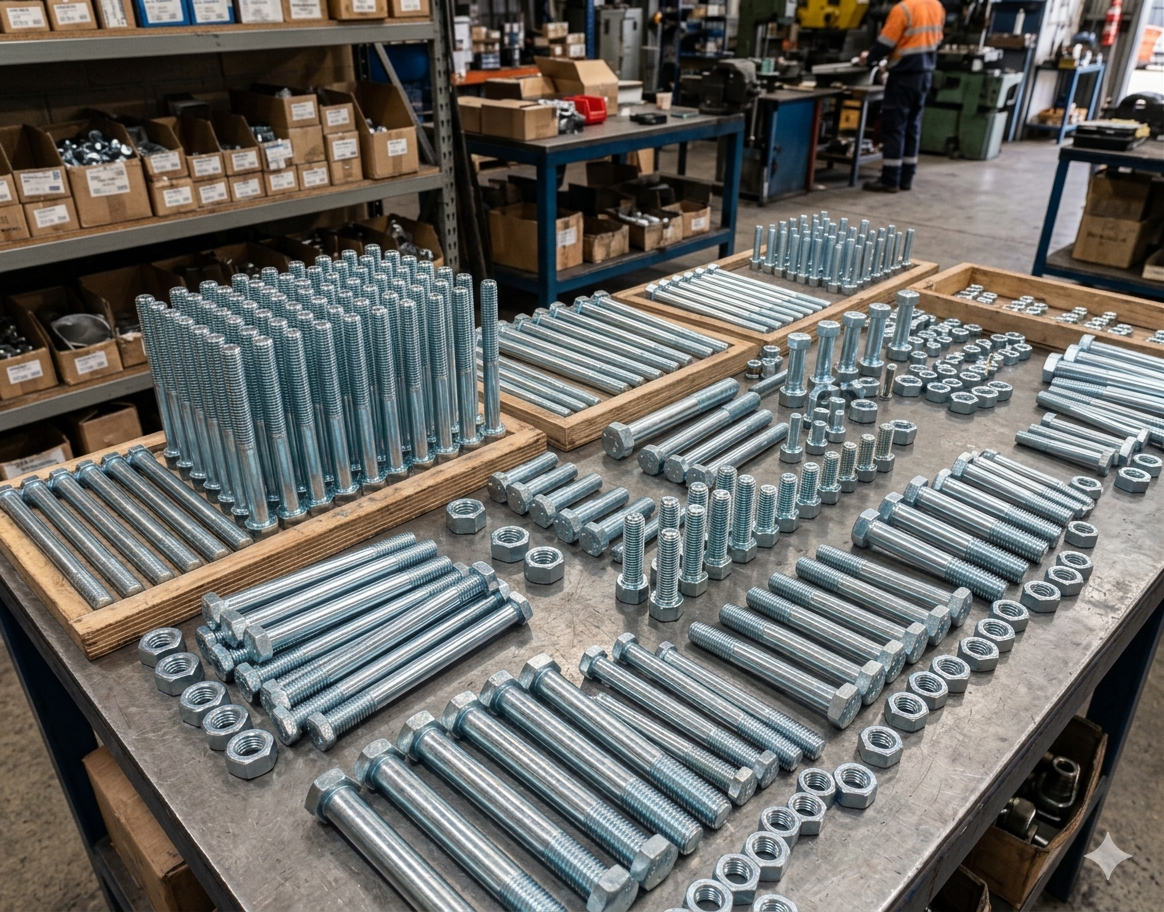
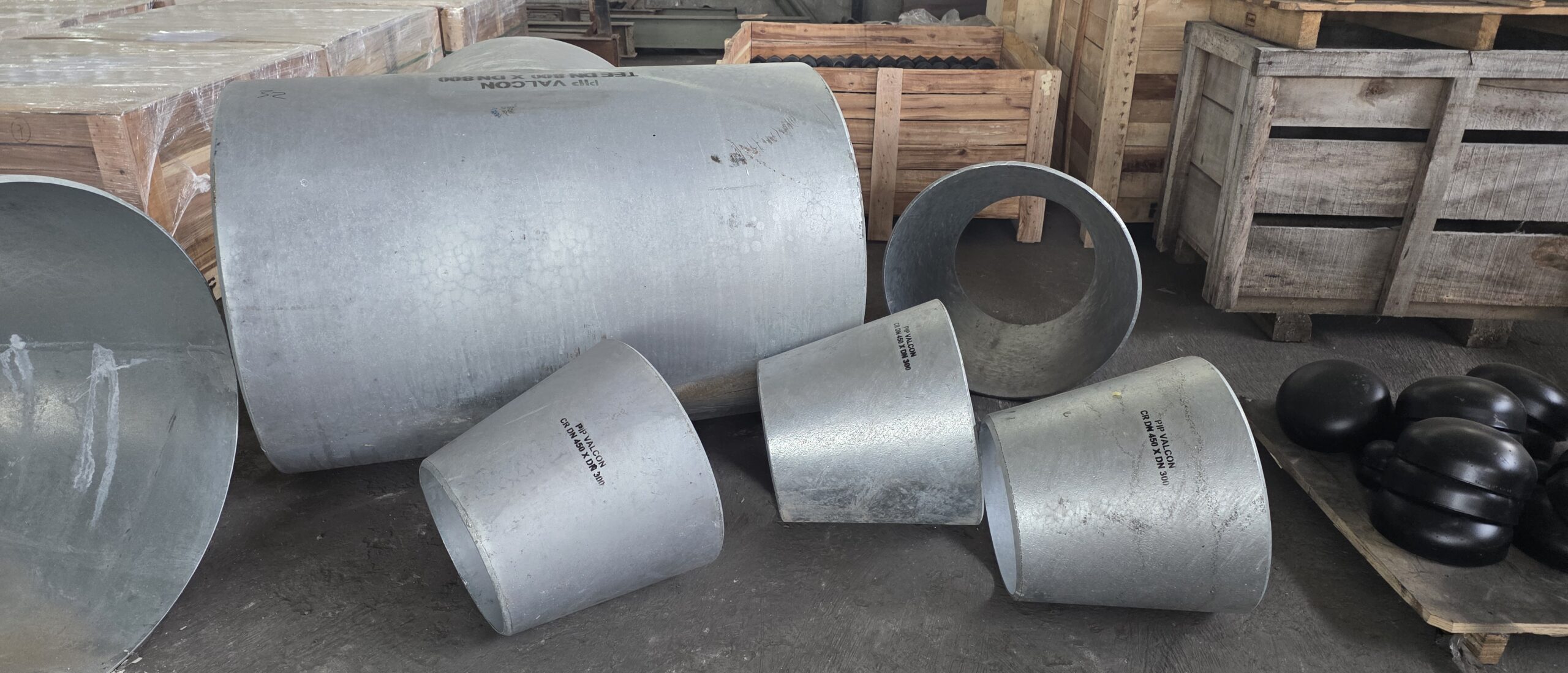
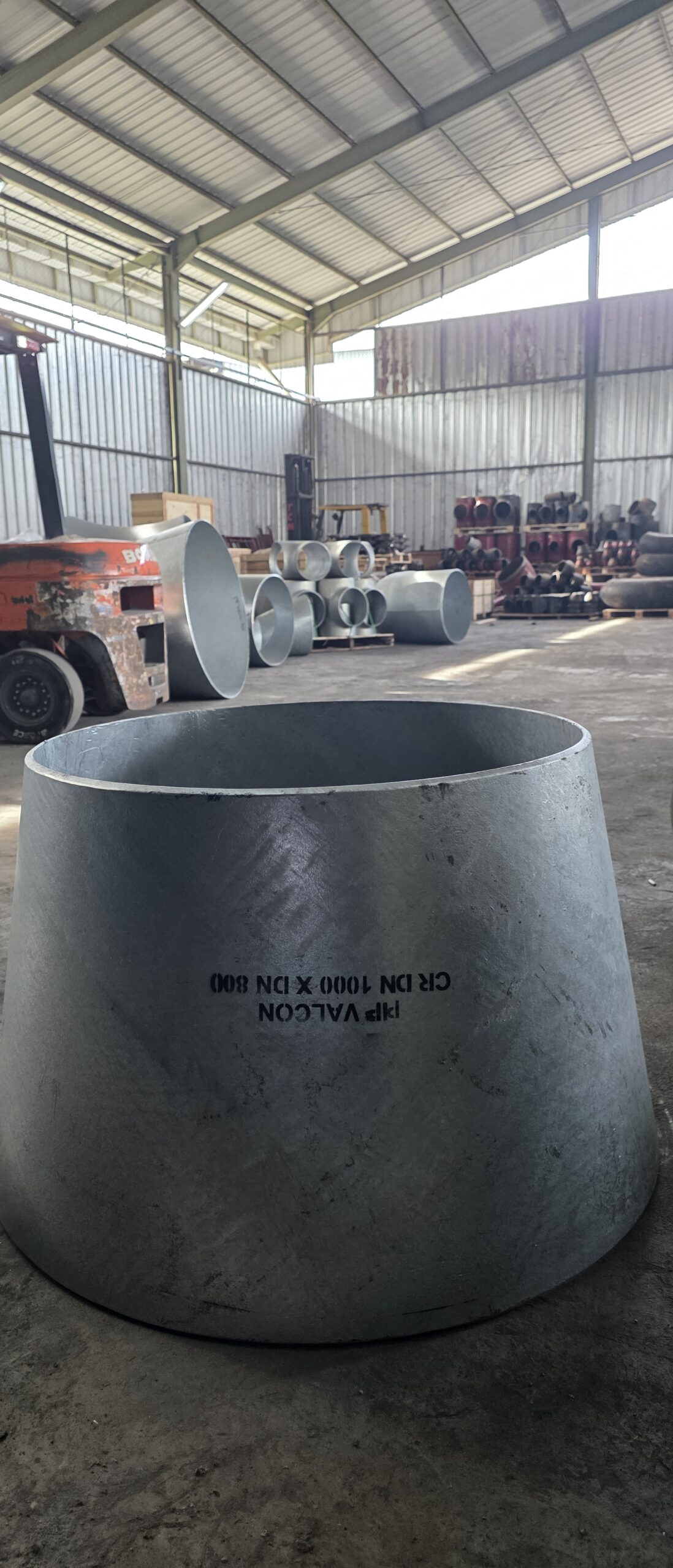
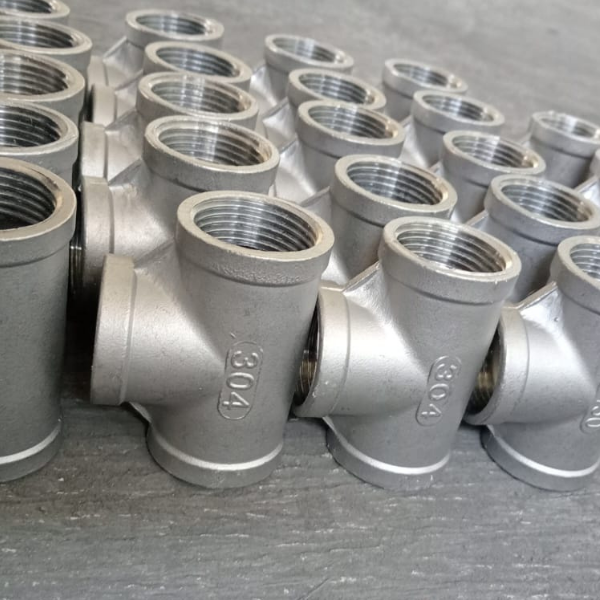
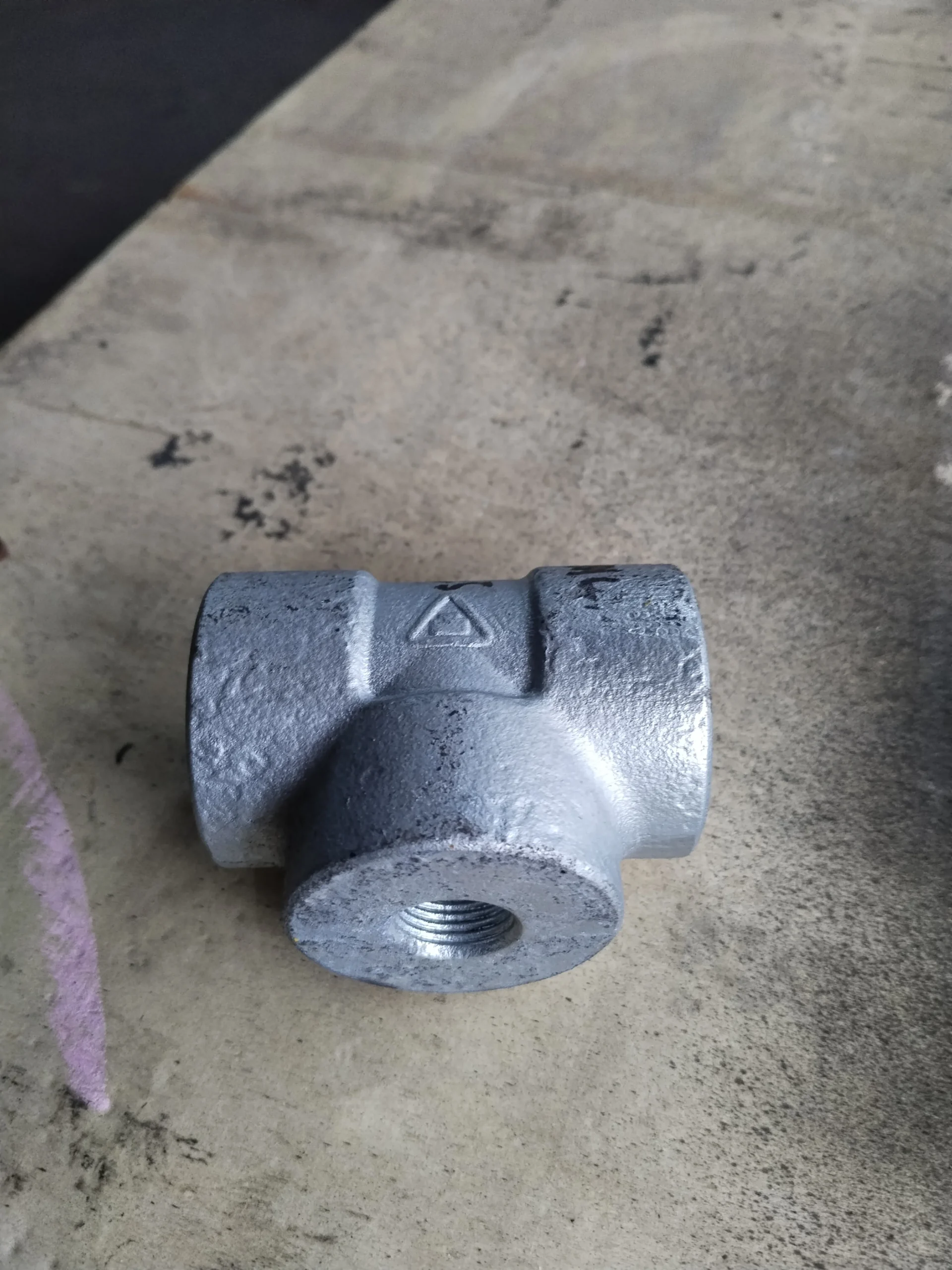
Electro-galvanized steel (EG) is carbon steel coated with a thin, uniform layer of zinc applied via electroplating (electrical current) to provide corrosion resistance and a smooth, aesthetically pleasing surface finish. Known as electro-galvanized steel, EG, or simply zinc-coated steel, it is widely used in automotive panels, home appliances, computer cabinets, and indoor architectural applications.
Synonyms and Associated Terms
Manufacturing Process
Electro Galvanized is also called Cold Galvanized in China. In the process of electro-galvanizing, a chemical substitution reaction is used. The iron or steel to be galvanized is the cathode, the zinc to be plated is the anode, and the zinc salt solution serves as the electrolyte. The metal elements on the metal surface are replaced with zinc through chemical reactions. To form a coating, the thickness of the zinc layer is generally from 7-40 microns. Compared with hot-dip galvanizing, the advantage of electro-galvanizing is that the zinc layer is more uniform and relatively thin.
Electro galvanized production process
Electro galvanized is a process that deposits a layer of zinc on the surface of steel through an electrochemical reaction. The following is the detailed production process of electro-galvanizing, divided into several main steps.
1. Pre-treatment
Cleaning
First, the steel needs to be thoroughly cleaned to remove oil, dust, and other impurities from the surface. This step is usually cleaned with an alkaline cleaner and then rinsed with water.
Pickling
the steel is pickled to remove oxides and rust from the surface. Commonly used pickling solutions are hydrochloric acid or sulfuric acid. After pickling, the surface of the steel becomes clean, which is conducive to the subsequent galvanizing process.
Infiltration After pickling
the steel is usually wetted to keep its surface moist and prevent oxidation in the air. Specific sizing can be used for this step.
2. Electro galvanized
Electrolyte preparation
The main components of the electrolyte used in the zinc electroplating process are zinc sulfate (ZnSO) and potassium chloride (KCl). The zinc ions in the electrolyte will be deposited on the steel surface during the electrochemical reaction.
Electro Galvanized
plating Steel serves as the cathode (negative electrode) and is immersed in the electrolyte. Zinc serves as the anode (positive electrode) and is also immersed in the electrolyte. When electric current passes through the electrolyte, zinc ions are reduced on the cathode and deposited on the steel surface, forming a uniform zinc coating.
3. Ater-treatment
Passivation
After electro galvanizied, the steel is usually passivated to improve the corrosion resistance of the zinc layer. Passivation usually uses chromate or other chemical agents to form a protective film.
Washing and drying
After passivation, the steel needs to be washed again to remove residues from the surface. After washing, the steel needs to be dried to ensure that no moisture remains on the surface.
For pricing, technical specifications, and availability of this product, please contact our sales team via email below. sales@pipvalcon.co.id
Products
Projects
Sales
Contact Us
pipvalcon@gmail.com info@pipvalcon.co.id
Jl. Pangeran Jayakarta No.66, RT.8/RW.9, Mangga Dua Selatan, Kecamatan Sawah Besar, Kota Jakarta Pusat, Daerah Khusus Ibukota Jakarta 10730
+62 21 2268-8008
+62 21 2268-6008
+62 21 2268-6005
Copyright 2026 pipvalcon.co.id. All Rights Reserved.