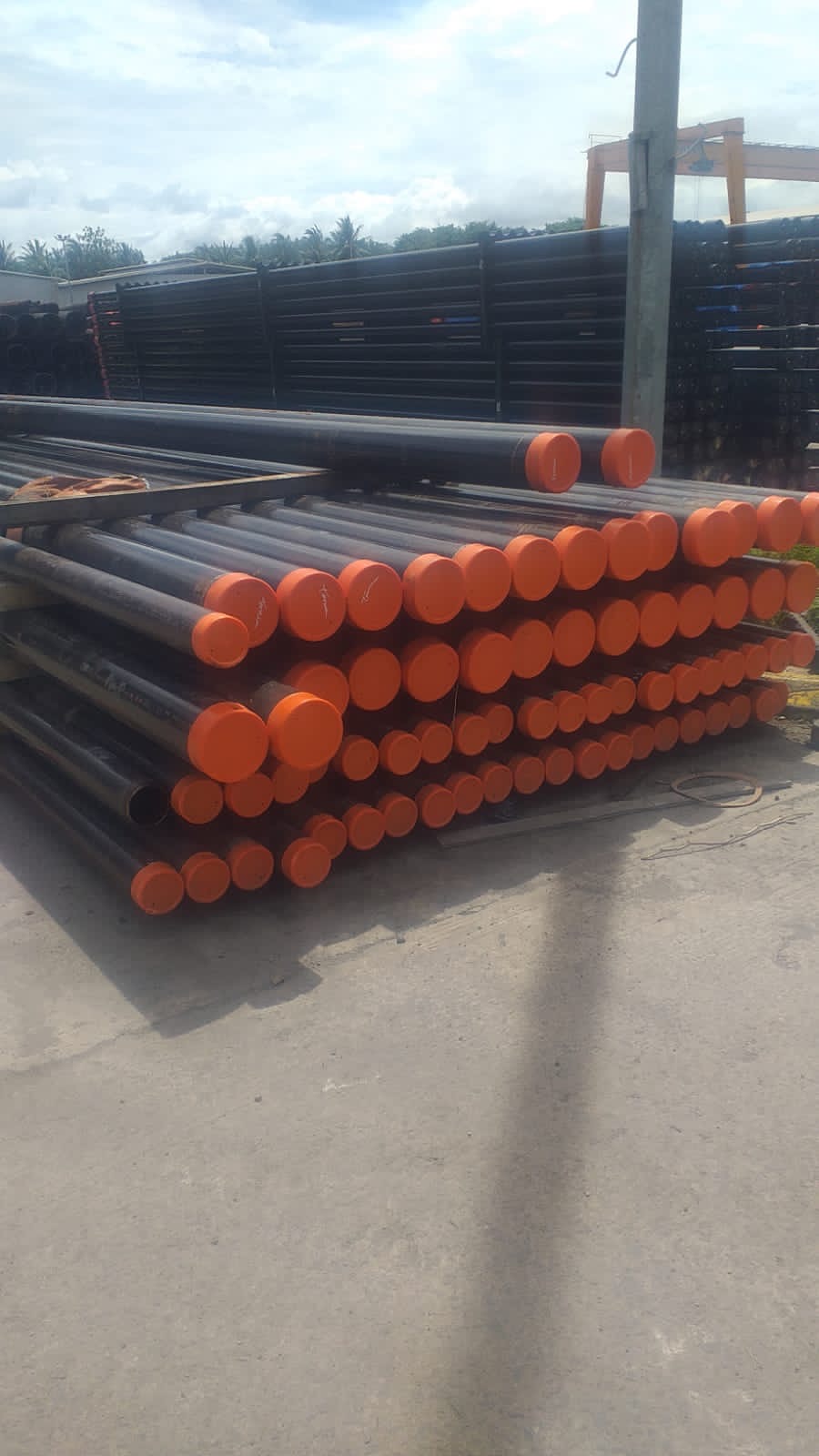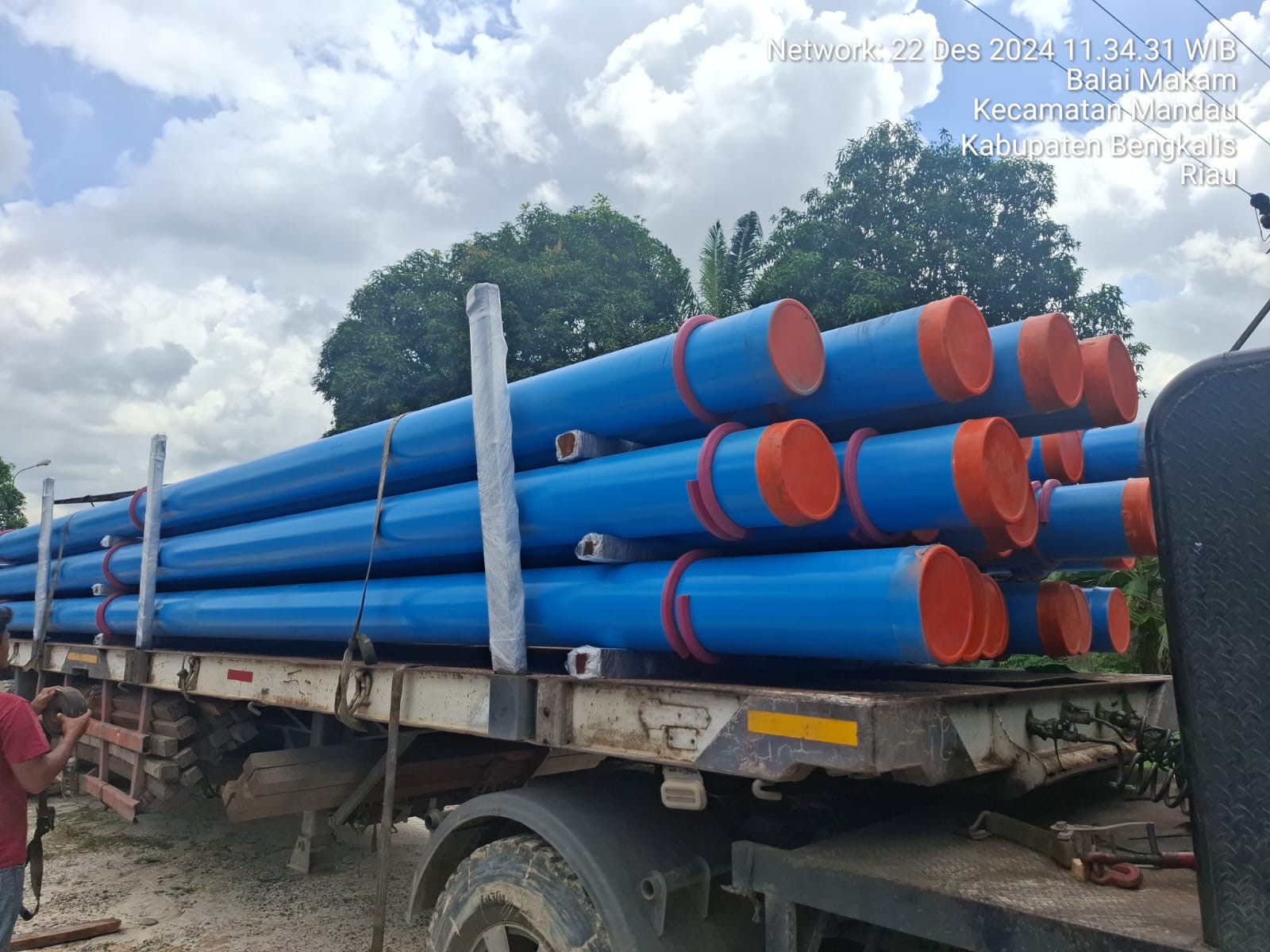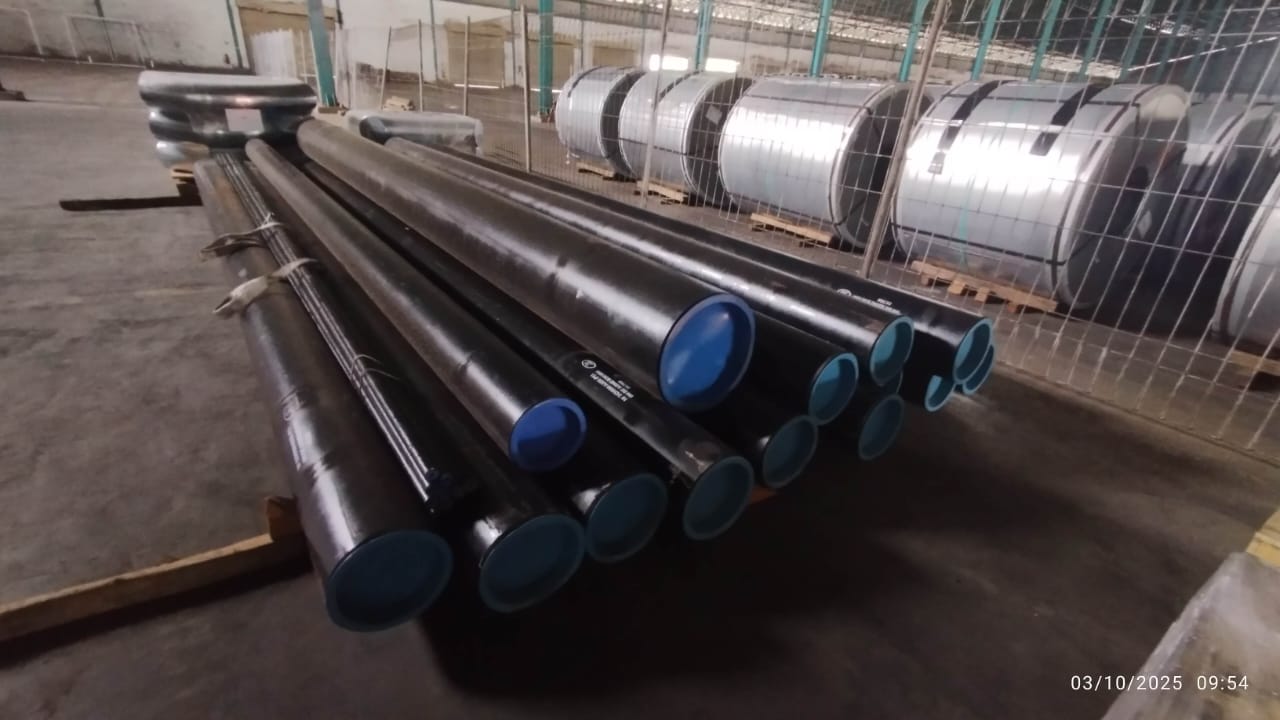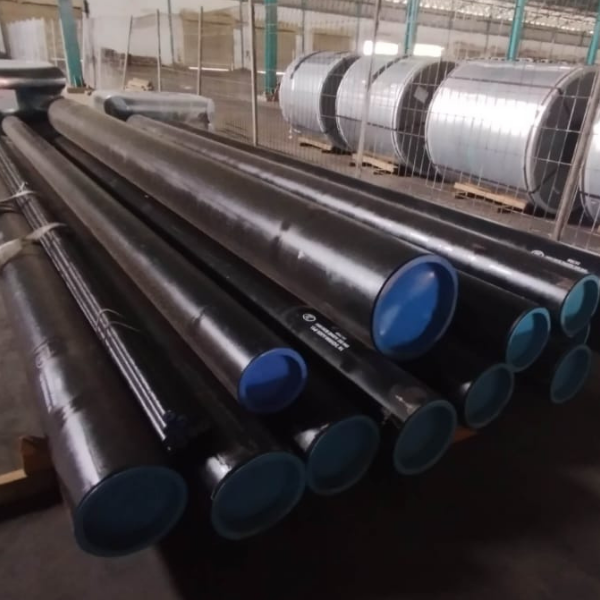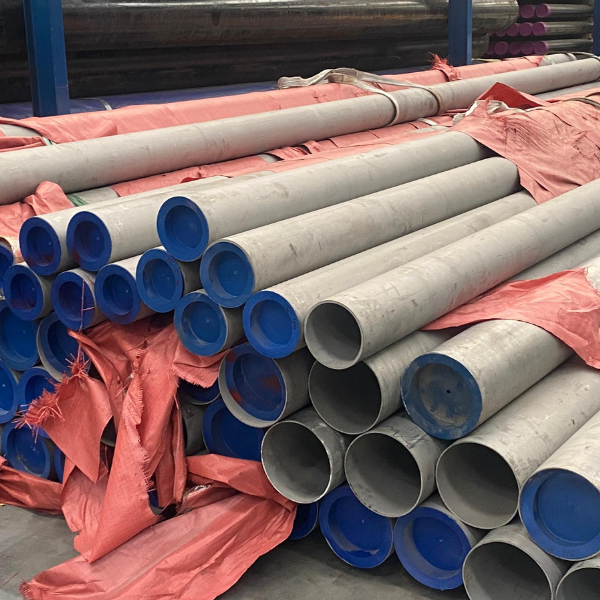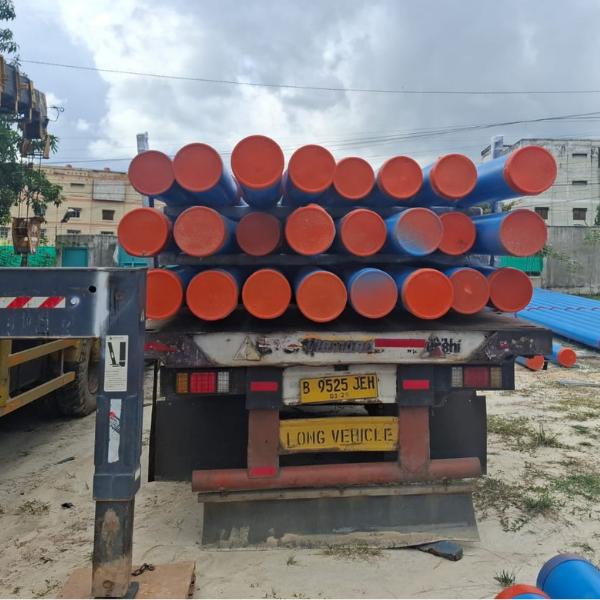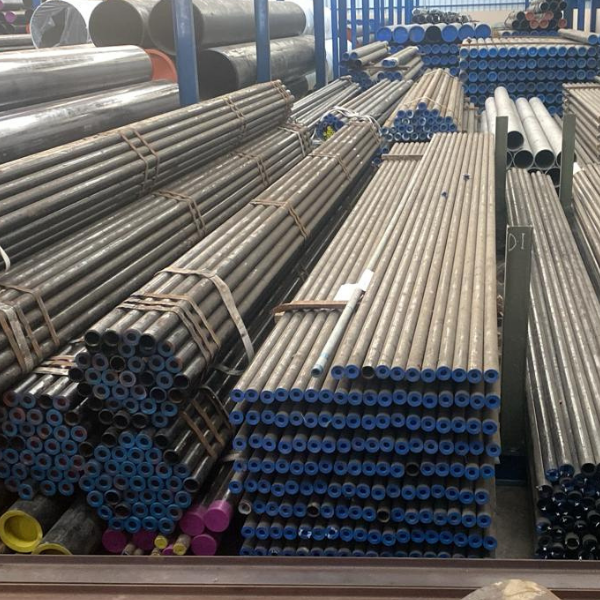
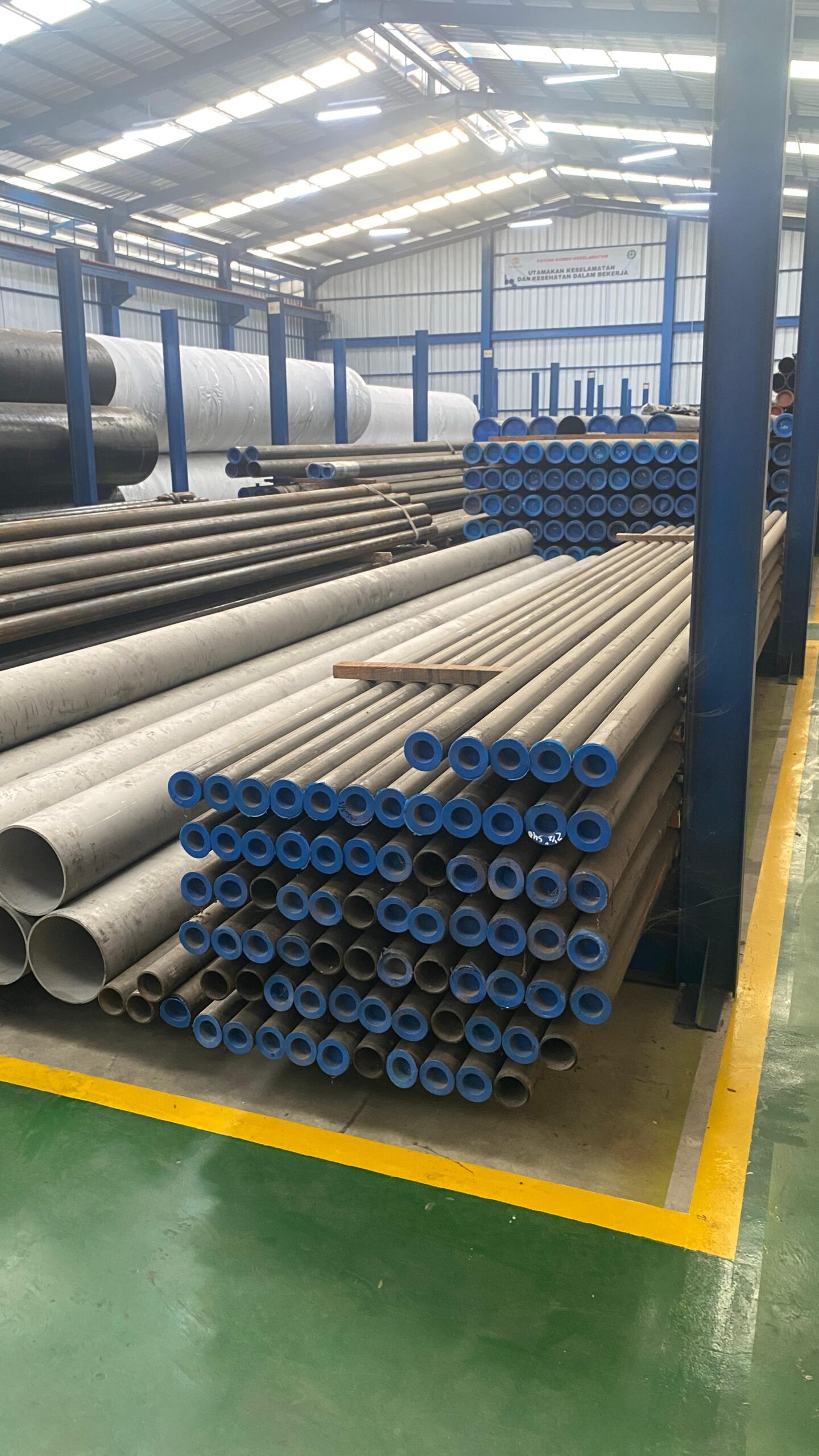
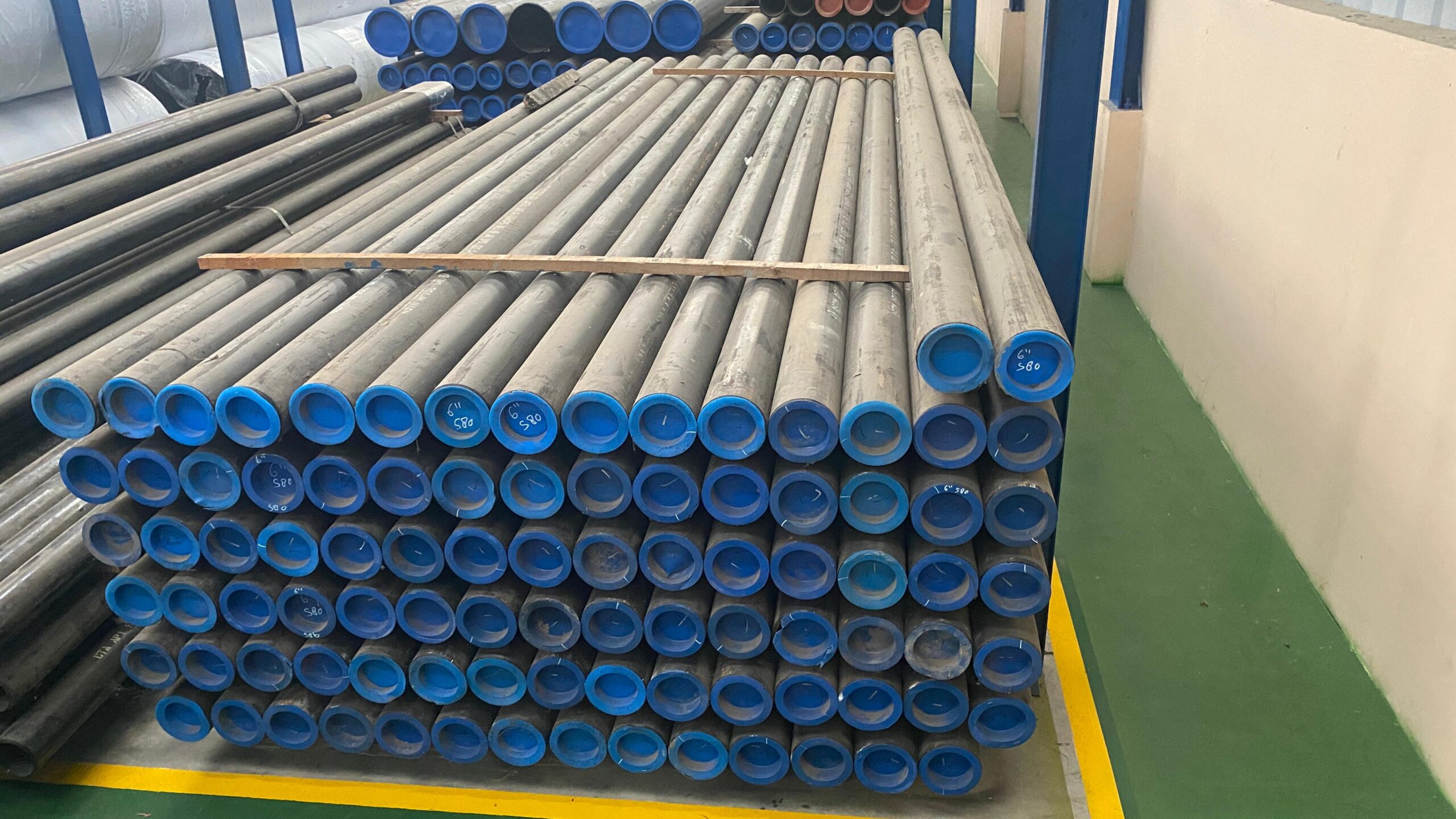
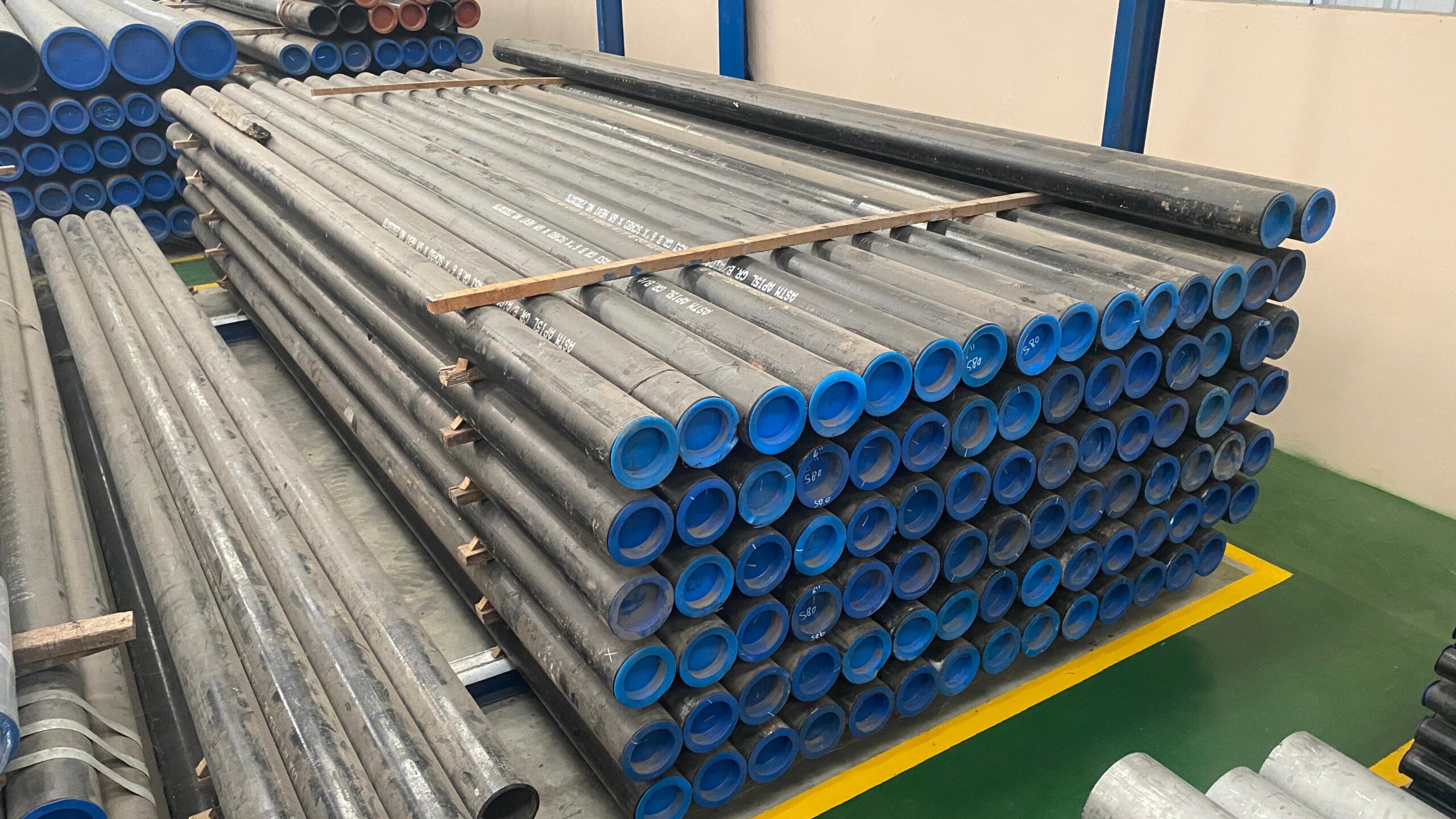
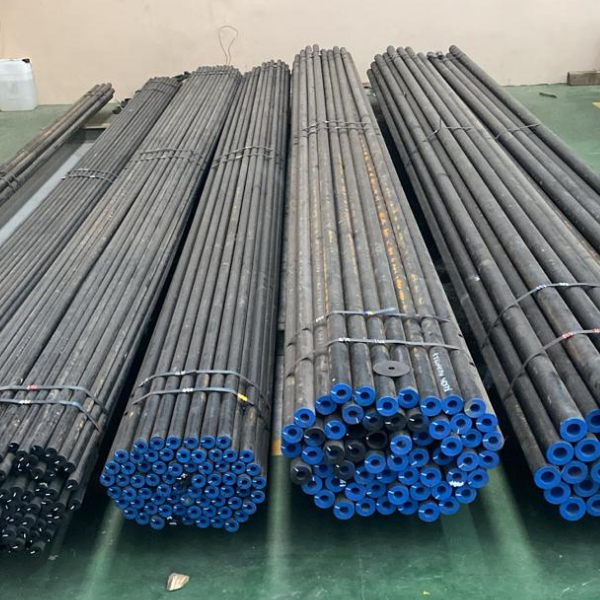

Pipes are hollow tubes with a round cross-section for transporting products such as liquids, gas, pellets, powders and more.
The word pipe is used in contrast to tube to denote tubular products with dimensions commonly used for pipelines and piping systems. Pipes dimensional following the requirements of ASME B36.10 Welded and Seamless Wrought Steel Pipe and ASME B36.19 Stainless Steel Pipe.
|
Name
|
Detail
|
|---|---|
|
Size
|
OD: 1/2 ~ 120 inch welded
|
|
WT: SGP, Medium, Sch10 ~ Sch80
|
|
|
Specification
|
Structural Pipes: SNI 8052:2014, ASTM A 252
|
|
Water Pipes: Certification of UL 852 dan FM 1630
|
|
|
Oil & Gas Pipes: API 5L
|
|
|
Stainless Steel Pipes: SUS 304, SUS 316
|
|
|
Surface:
|
Black coating, Galvanized
|
|
End:
|
BE / PE / THD
|
|
Brand
|
SPINDO, KHI, BPI
|
In the world of piping, the terms pipe and tube will be used. Pipe is customarily identified by “Nominal Pipe Size” (NPS), with wall thickness defined by “Schedule number” (SCH).
Tube is customarily specified by its outside diameter (O.D.) and wall thickness (WT), expressed either in Birmingham wire gage (BWG) or in thousandths of an inch. The principal uses for tube are in Heat Exchangers, instrument lines and small interconnections on equipment such as compressors, boilers etc.
ERW Steel Pipe(Electric Resistance Welded Pipe), A53 ERW Pipe, ERW Carbon Steel Pipe.
SSAW (spiral submerged arc welded) steel pipe, is a spiral welded steel pipe produced by double-sided submerged arc welding. Spiral welded pipes are formed using narrower sheets or hot rolled coils, which greatly reduces their production costs. The spiral welding process allows the production of large diameter pipes suitable for transporting large quantities of oil and gas.
Engineering companies have materials engineers to determine materials to be used in piping systems. Most pipe is of carbon steel (depending on service) is manufactured to different ASTM standards.
Carbon-steel pipe is strong, ductile, weldable, machinable, reasonably, durable and is nearly always cheaper than pipe made from other materials. If carbon-steel pipe can meet the requirements of pressure, temperature, corrosion resistance and hygiene, it is the natural choice.
Iron pipe is made from cast-iron and ductile-iron. The principal uses are for water, gas and sewage lines.
Plastic pipe may be used to convey actively corrosive fluids, and is especially useful for handling corrosive or hazardous gases and dilute mineral acids.
Other Metals and Alloys pipe made from copper, lead, nickel, brass, aluminium and various stainless steels can be readily obtained. These materials are relatively expensive and are selected usually either because of their particular corrosion resistance to the process chemical, their good Heat Transfer, or for their tensile strength at high temperatures. Copper and copper alloys are traditional for instrument lines, food processing and Heat Transfer equipment. Stainless steels are increasingly being used for these.
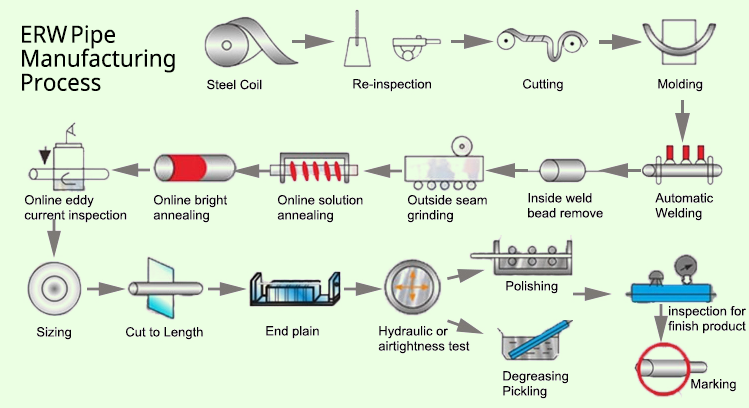
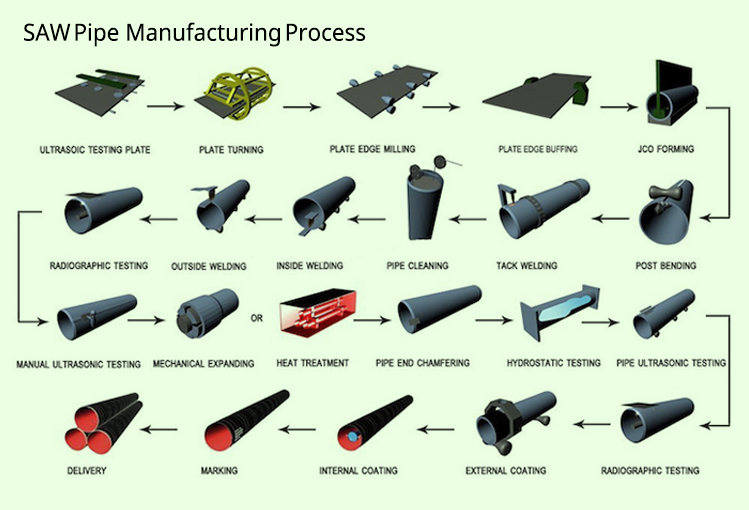
For pricing, technical specifications, and availability of this product, please contact our sales team via email below. sales@pipvalcon.co.id
Products
Projects
Sales
Contact Us
pipvalcon@gmail.com info@pipvalcon.co.id
Jl. Pangeran Jayakarta No.66, RT.8/RW.9, Mangga Dua Selatan, Kecamatan Sawah Besar, Kota Jakarta Pusat, Daerah Khusus Ibukota Jakarta 10730
+62 21 2268-8008
+62 21 2268-6008
+62 21 2268-6005
Copyright 2026 pipvalcon.co.id. All Rights Reserved.